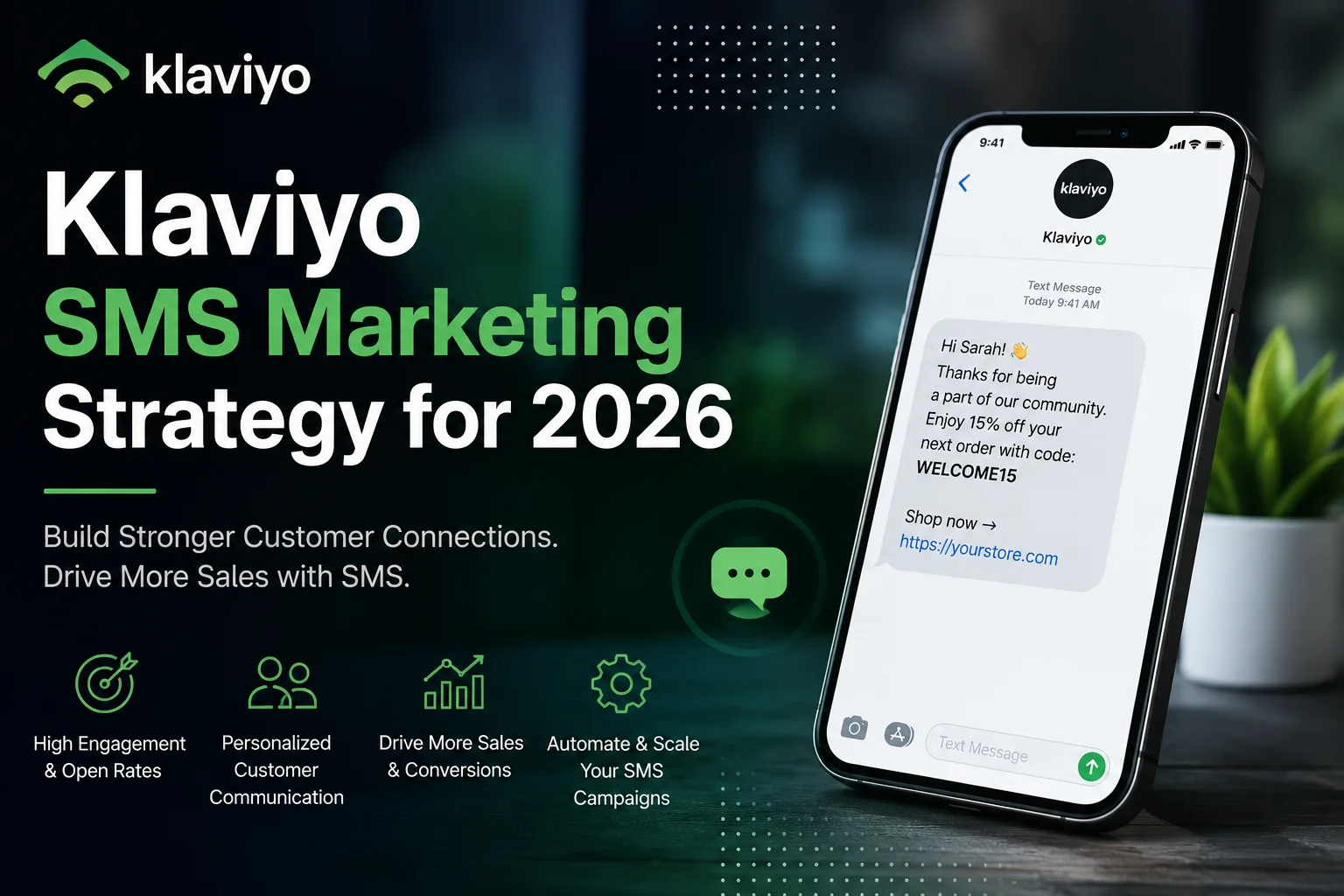
Klaviyo SMS Marketing Strategy for 2026

There was a time when SMS marketing was considered spamming. However, the time has changed now. 2026 is the year of getting results from your marketing strategies. And Klaviyo SMS marketing is one of them.
If you are in the urge to start your 2026 with a non-defeated SMS strategy, then you are welcome to my blog. I have a lot of experience using email marketing tools, and Klaviyo is one of them.
I have also written a detailed Klaviyo guide for 2026 using my hands-on experience. So let’s start our guide and start your strategy.
What is an SMS Marketing Strategy?
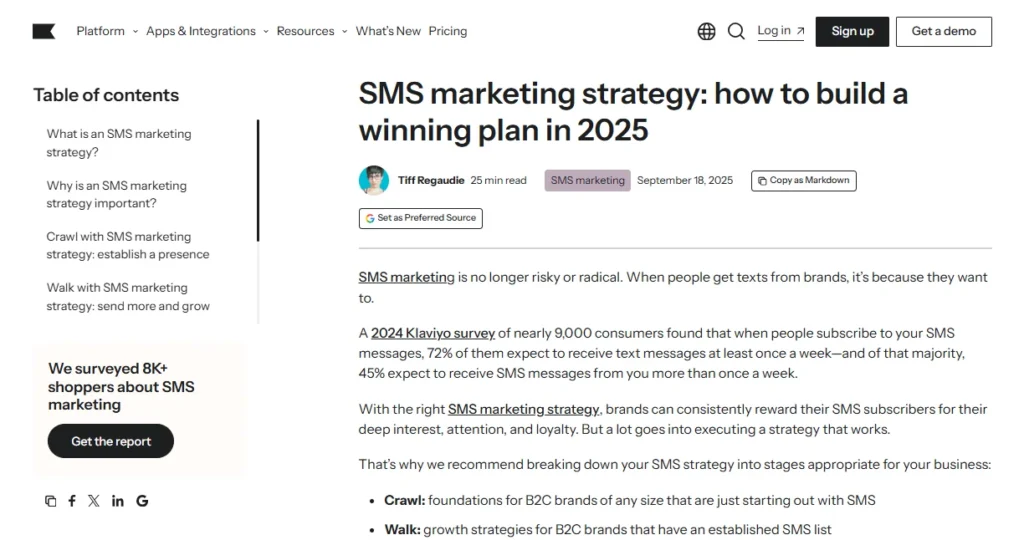
“A 2024 survey by Klaviyo, which included nearly 9,000 consumers, revealed strong expectations for SMS marketing frequency. About 72% of subscribers anticipate receiving text messages at least once per week. Within this group, 45% prefer to get messages multiple times each week, indicating a clear demand for consistent engagement through SMS campaigns.”
An SMS marketing strategy is a structured plan that businesses use to reach and engage customers through text messages. It involves defining goals, identifying target audiences, and creating timely, relevant, and personalized messages. Key elements include promotional campaigns, transactional alerts, reminders, and loyalty programs delivered via SMS.
A successful strategy ensures compliance with regulations, such as opt-in requirements, while optimizing message frequency and content for maximum engagement. It also integrates analytics to measure open rates, click-through rates, and conversions.
SMS marketing strategies enhance customer communication, drive sales, increase retention, and strengthen brand loyalty through direct, instant, and measurable interactions.
Why Make an SMS Strategy?
Creating an SMS marketing strategy is essential for driving sales and increasing customer engagement.
“According to Klaviyo, In 2024, 86% of consumers reported making at least two purchases in the past year as a direct result of SMS messages, a significant rise from 55% in 2022.
Within this group, 30% made four or more purchases from SMS campaigns, and nearly 10% completed six or more purchases.”
These numbers demonstrate that SMS marketing not only encourages repeat purchases but also strengthens customer loyalty. A well-planned SMS strategy allows businesses to deliver timely, personalized messages that convert readers into consistent buyers.
Get Yourself Ready Before You Launch Your SMS Marketing Strategy
You can’t throw arrows blindly at the target and expect consistent results. An SMS marketing strategy requires clear goals, defined audiences, and accurate data before launch. Businesses must first confirm opt-in compliance, segment subscriber lists, and align messaging with customer intent.
Message timing, frequency, and value must be planned to avoid fatigue and unsubscribes. A prepared strategy ensures every SMS supports a measurable objective, improves conversion rates, and protects brand trust.
Proper groundwork turns SMS campaigns into predictable revenue channels instead of random promotional attempts.
1) Establish Compliance Requirements Before Launching Messages
Establish compliance requirements before launching messages to protect your brand and customer trust. SMS marketing laws require clear opt-in consent before any message is sent.
Businesses must disclose message frequency, purpose, and data usage upfront. Proper compliance reduces legal risk, prevents carrier filtering, and ensures long-term SMS deliverability and performance.
2) Send Sign-Up Forms to Targeted Users
Send sign-up forms to targeted users to build a high-quality SMS subscriber list. Targeted forms reach users who already show purchase intent or brand interest.
This approach increases opt-in rates and message relevance. Accurate targeting improves engagement, reduces opt-outs, and supports stronger conversion performance from SMS campaigns.
3) Collect SMS Consent During Checkout
During the checkout process, collect SMS consent to secure permission from customers before sending messages. This ensures compliance with legal requirements and builds trust by showing transparency.
Customers who opt in at checkout are more engaged and receptive to promotions, updates, and alerts. Clearly communicating message frequency and content expectations reduces opt-outs.
Capturing consent at this stage creates a qualified, permission-based subscriber list that drives higher engagement, stronger conversions, and long-term success for SMS marketing campaigns.
4) Set Up Automated SMS for Welcomes and Abandoned Carts
Automating SMS for welcomes and abandoned carts ensures timely engagement with your customers. Welcome messages introduce new subscribers, highlight offers, and encourage first purchases, while abandoned cart reminders prompt shoppers to complete pending transactions.
These automated messages increase conversion rates, maintain consistent communication, and save manual effort. By delivering relevant messages at the right moment, businesses strengthen customer relationships, drive sales, and create a seamless, efficient SMS marketing workflow.
5) Send 1-5 SMS Per Month
In the initial stage, send 3 to 5 SMS per month to avoid overwhelming subscribers. After 2 to 3 months, gradually increase to 4 to 6 messages per month based on engagement and response rates.
Maintain this frequency limit to preserve subscriber trust, prevent opt-outs, and ensure consistent, effective communication that drives conversions without causing fatigue.
6) Segment Your Audience with SMS-Subscribed List
Segment your audience using your SMS-subscribed list to deliver targeted and relevant messages. Group subscribers based on behavior, purchase history, location, or engagement levels.
Audience segmentation increases message relevance, boosts open and conversion rates, and reduces unsubscribes. By sending personalized content to specific segments, businesses can maximize ROI, strengthen customer relationships, and make every SMS interaction more effective and meaningful.
7) Track Initial Performance
Monitor early campaign results to evaluate the impact of your SMS marketing efforts. Tracking metrics like open rates, click-through rates, conversions, and unsubscribes reveals subscriber behavior and message effectiveness.
This insight helps identify successful strategies and areas needing adjustment. By analyzing initial performance, businesses can optimize timing, content, and targeting, improving engagement, boosting conversions, and ensuring a strong foundation for future SMS campaigns.
Conclusion
Implementing a well-structured Klaviyo SMS marketing strategy in 2026 ensures consistent engagement, higher conversions, and stronger customer loyalty.
When you follow the best practices, from compliance and consent to automation and segmentation, you can maximize the impact of every message. Early tracking and optimization create a data-driven approach for long-term SMS success.