MailerLite vs. Mailchimp

When I started the marketing business, there were only a handful of marketing tools that were famous at that time. And guess what, Mailchimp was one of the best options in that era. However, with the passage of time, the industry has developed numerous email marketing tools that solve bigger problems and ease the automations.
One such tool is MailerLite and I have been using it for years. I already have written a detailed MailerLite review with my hand-on experience that you can read once you finish here.
This article is a detailed head-to-head comparison of MailerLite Vs Mailchimp within the light of my personal testing and usage.
MailerLite vs. Mailchimp (Quick Summary)
Here is the quick summary for you before you read the whole article:
- MailerLite: It is the best tool for those who just have started their small business or are beginners. Also, the tool comes with affordable pricing plans. But fair prices does not mean it lacks in features.
- Mailchimp: I have used Mailchimp mostly for eCommerce stores, and brick-and-mortar businesses and it is also best for these niches. This is mostly for experienced marketers and it comes with advanced features like AI integrations.
| Category | MailerLite | Mailchimp |
| Ease of Use | ⭐⭐⭐⭐⭐ Very simple to learn. Clear menus. Great for beginners and small teams. | ⭐⭐⭐ Easy to understand at first. But the long list of features slows things down. |
| Pricing | ⭐⭐⭐⭐ Budget-friendly plans. Free plan works well for small lists. | ⭐⭐ Costs rise fast. Free plan feels strict and paid plans become heavy on the pocket. |
| Design Tools | ⭐⭐⭐⭐ Clean editor with smooth blocks and around 90 templates. Landing pages look sharper after recent updates. | ⭐⭐⭐⭐ Modern layout, strong AI design tools, and a larger library of templates. |
| Automation | ⭐⭐⭐⭐ You can build workflows even on the free plan. Template count is low but enough for simple flows. | ⭐⭐⭐⭐ Huge set of triggers and 100+ templates. But no automation access on the free plan. |
| Advanced Features | ⭐⭐ Good email-focused tools. Other marketing tools feel light. | ⭐⭐⭐⭐ Wide toolkit for marketing. It covers many needs but is not the top choice in every area. |
| AI Tools | ⭐⭐ Basic AI help. Useful for subject lines and quick text. | ⭐⭐⭐⭐ Stronger AI. Better writing and design suggestions. |
| Analytics | ⭐⭐⭐ Clean reports. Shows what you need without confusion. | ⭐⭐⭐⭐⭐ Deep tracking, eCommerce insights, click maps, and smart suggestions. |
| Integrations | ⭐⭐⭐⭐ Over 150 native integrations plus Zapier. | ⭐⭐⭐⭐⭐ More than 330 native integrations along with Zapier support. |
MailerLite is My Personal Favorite for Affordable Prices
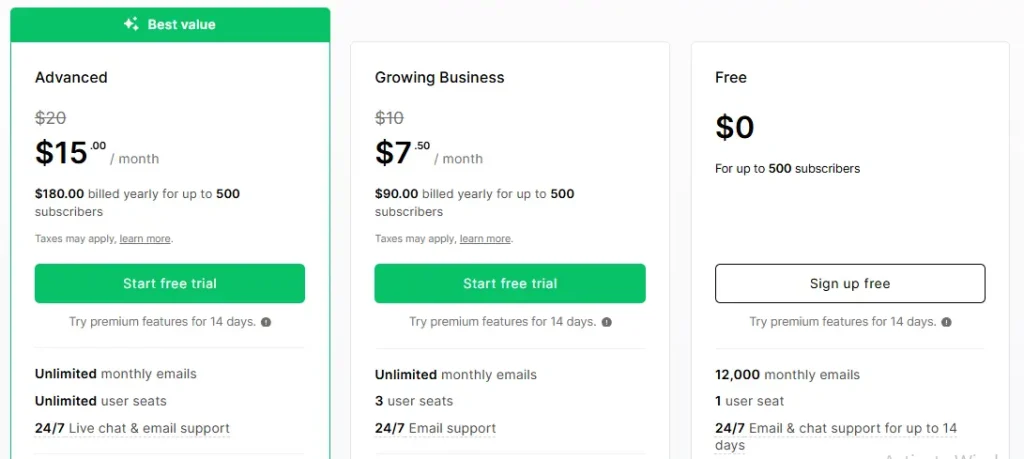
There was a time when Mailchimp was the market’s one of the most affordable yet full of features markets. However, the time is gone now. The new, trendy, and affordable tool’s place is now changed to MailerLite.
However, Mailchimp has a new all-in-one platform that comes with many useful features, but they come with a cost.
If we compare the pricing plans, then MailerLite has a $25/month plan that features unlimited emails and 2500 subscribers. Mailchimp has a $60/month plan that features the same benefits.
Mailchimp Has an Advantage For Better Designs and Templates
There is no doubt that both tools have amazing design and templates, but Mailchimp is a winner here. You can very easy to use the interface so a beginner can also use it without any hassle. Also, the AI design feature is a way to go without any coding. There are plenty of templates that are easy to use and have very beautiful and appealing designs.
Whereas MailerLite has features like drag-and-drop, call-to-action, and e-commerce widgets.
Automation: Mailchimp Is Strong, but MailerLite Wins for Beginners
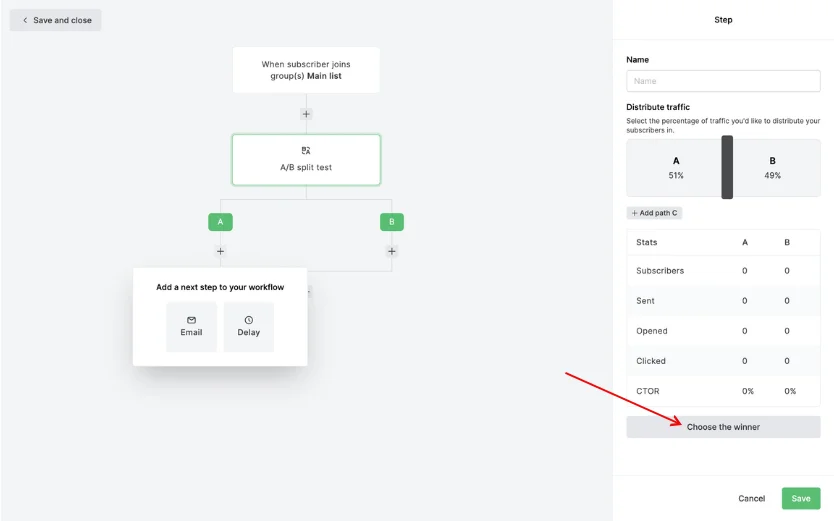
Automation can save your marketing life. It saves time, builds consistency and helps you reach the right people at the right moment. That is why I test automation features very carefully. I like tools that let me build workflows fast because I don’t enjoy spending half my day dragging arrows around the screen.
Mailchimp offers more triggers and more automation templates. You get over 100 ready-made workflows. This helps when you want something advanced, like abandoned cart journeys or multi-step eCommerce flows. I used one of these flows last year for a clothing store, and the performance was great.
The only problem? You cannot use automation on the free plan. So beginners hit a wall very early.
MailerLite takes a different route. It gives you automation even on the free plan. The templates are fewer, but they are enough for simple journeys like welcome emails, lead-nurturing, and reminders. I built a full onboarding sequence in less than 15 minutes.
The interface is so clean that you almost forget you are creating automation at all. And yes, I clicked the wrong trigger once because I was moving too fast… but that’s on me.
If you want power, Mailchimp wins.
If you want freedom on a budget, MailerLite is your friend.
Analytics: Mailchimp Gives You Details, MailerLite Gives You Clarity
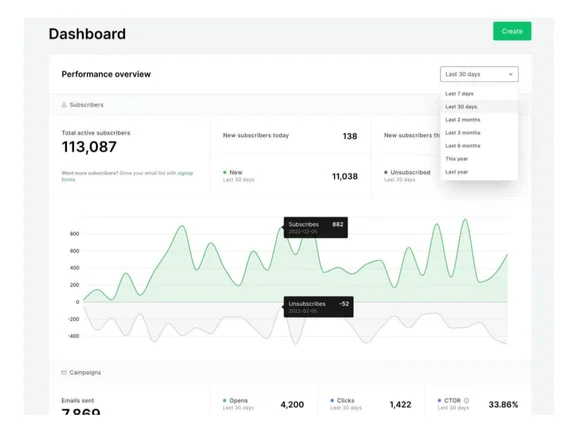
When you run email campaigns, you need to know what works. Nothing feels more painful than guessing. That is why analytics matter, and both tools handle them differently.
Mailchimp offers deep analytics. You get click maps, eCommerce tracking, product-level reports, and suggestions that help you fix weak points. When I ran a campaign for a local store, Mailchimp showed me exactly which product people clicked the most. This kind of detail helps you make smart decisions.
MailerLite keeps things simple. You get clean reports with open rates, click rates, automation performance, and subscriber activity. Everything appears in a very simple layout. It does not overwhelm you. For most beginners and small business owners, this is more than enough.
In short, Mailchimp is better for big data.
MailerLite is better for quick insights.
Integrations: Both Are Strong, but Mailchimp Covers More Ground
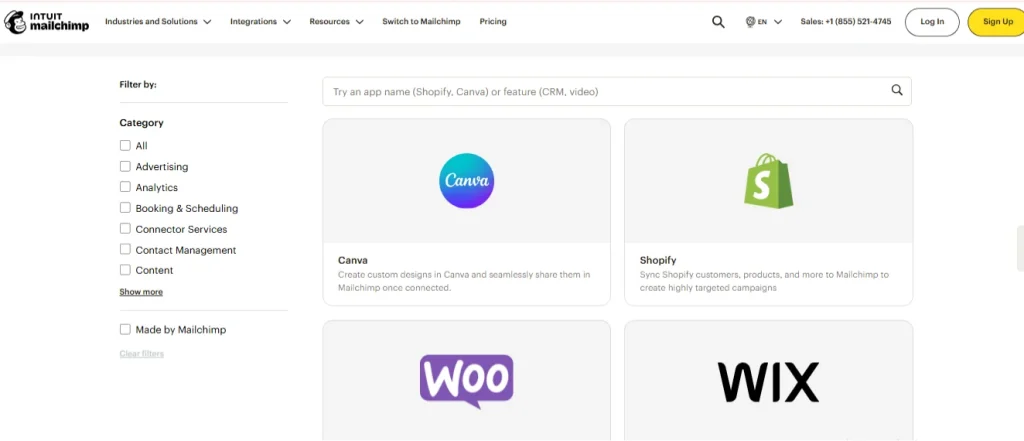
MailerLite supports 150+ integrations. You can connect Shopify, WooCommerce, WordPress, and many other tools. Zapier also opens the door to even more apps. I have used these integrations for years and never faced a serious issue.
Mailchimp simply has a wider network. It supports over 330 native integrations. If you work with niche tools or have a large tech stack, you will find more options here. Many eCommerce brands love this flexibility because they run multiple systems side by side.
Both tools integrate well. Mailchimp just integrates more.